9 October 2026 · research
Introducing Cohort 02 — Teaching Machines to Interpret as We Do with TEV
Cohort 02 has started a 12-week programme on teaching machines to interpret as we do. The TEV Research Engine is in beta: retrieve by meaning, not keywords.

We are pleased to announce the latest cohort. Cohort 02 has just started its 12-week programme with the Asycd Research Lab. The main focus is teaching machines to think and interpret as we do.
That is a rather broad goal. It can be narrowed down to refining AI models so they understand how we understand — but what does that mean?
Background
TEV — Traverse, Extract, Verify
Formerly: TEV — Theme Explorer V1, V2, …
TEV was originally just an image generator we designed at Asycd to create more visually interesting and unique digital art. Prompt-engineering techniques transformed your input into a more detailed prompt before image generation. futuristic expression through new languages
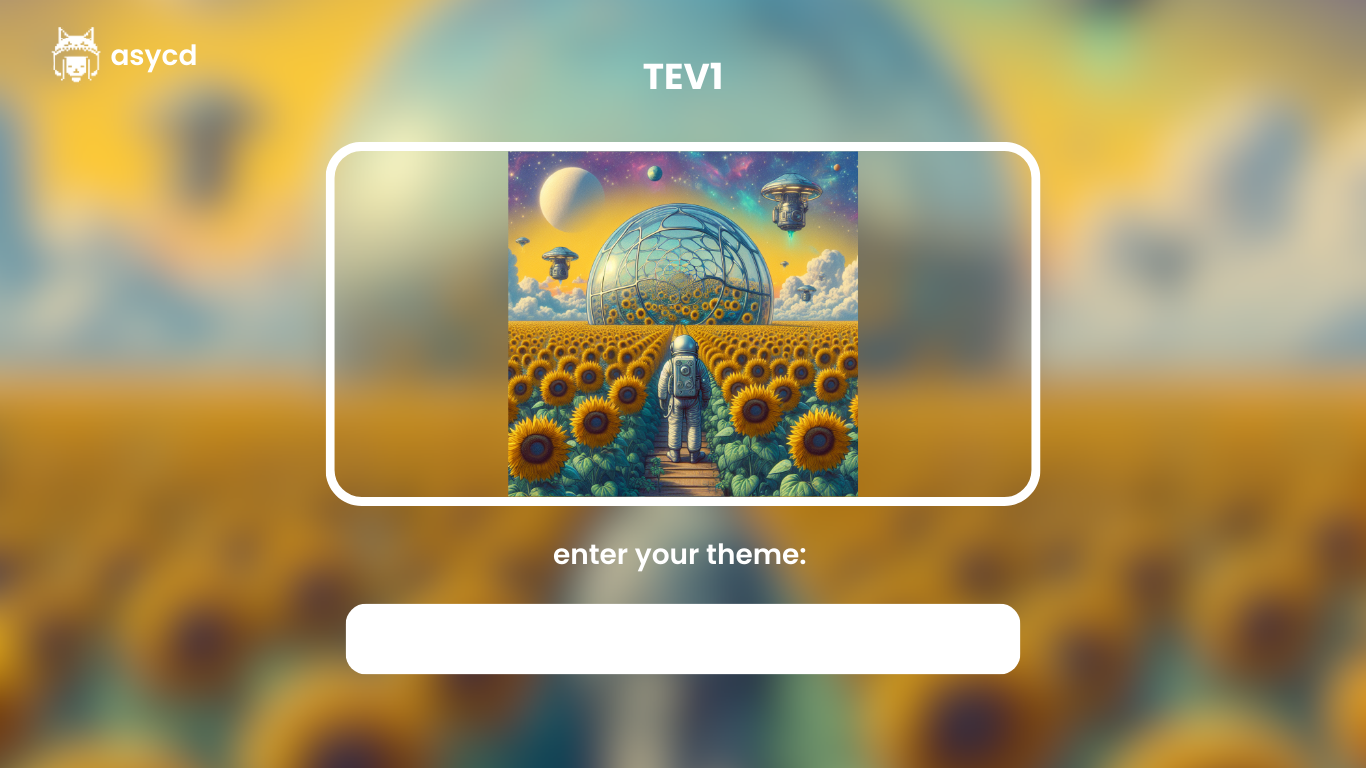
As time went on, we needed richer, more timely real-world context. Stale examples and instructions were a barrier to the creative potential of generative AI models.
We then built a context research pipeline that explored the web, social media, and art boards like Pinterest for art and literature inspiration. We even employed vision agents to take snapshots of the web and extract core features for analysis. This worked to a degree, but it never solved the core issue in creative AI: the model was never really drawing meaningful but non-obvious information for its creative inspiration. the living web as mood and metaphor
When you prompt an image model to make an artwork, or a chatbot to write an article, the model extracts keywords from your prompt and tries to find additional context on the web — an article, a LinkedIn post, or, in our case, an artwork. Sometimes it doesn’t even do that. It just uses information in its training data.
In either case, retrieved context about your query is almost always literal, uninspiring, and liable to miss the meaning. This is more pronounced with creative work.
It means the right write-up for your brand is always two or three iterations away from the original prompt. It means you get frustrated at the model’s lack of understanding of what you mean. It means you waste output tokens on each frustrated alteration.
The latter matters less to us, but it still matters when we talk about tokenomics.
Our Solution — The TEV Research Engine (Beta)
We’ve put the TEV Research Engine in beta for anyone to try, for free.
How Does it Work?
Autonomous, serverless research agents — powered by platforms like Modal and Koyeb — traverse the web and social media. They act as social listeners and curators for the engine.
We extract snippets from each discovered URL and classify them into five thematic categories:
- Emotion
- Genre
- Scale
- Energy
- Meaning
These categories create distinct thematic buckets. When you query the engine, your query is classified with the same five categories, and overlap decides what comes back.
Example: “hearing the metaphor behind the keywords” hearing the metaphor behind the keywords
This kind of information is hard to find on Google because of its keyword-based approach to serving results.
TEV is for a different job: finding information that shares the same meaning, not the same keywords.
Read the TEV Research Engine white paper if you want the longer version of this argument.
Cohort 02 Researchers and Topics
- Learning to Traverse Meaning: A Neuro-Symbolic Retrieval Engine for Agentic Research — Fahad Hafeez
- Closing the Loop: A Round-Trip Check for TEV — Nezir Kaan
- Axis Tilt: Query-Adaptive Weighting for the TEV Theme Graph — Divya Chinnappa
- Noir Diary: A Visual Meaning Engine Inspired by TEV — Tejashree Shankarappa
We hope this next cohort can take us further. Follow the lab on the research page, or start from the letter that opened applications.